Imagine a world where the mundane meets the extraordinary, where your coffee cup mysteriously moves across the table without a hint of a breeze. Enter the realm of the gipoltergeist, a quirky twist on the classic poltergeist phenomenon. This mischievous spirit doesn’t just rattle chains or flicker lights; it’s known for its playful antics that leave people scratching their heads and laughing nervously.
Overview of Gipoltergeist
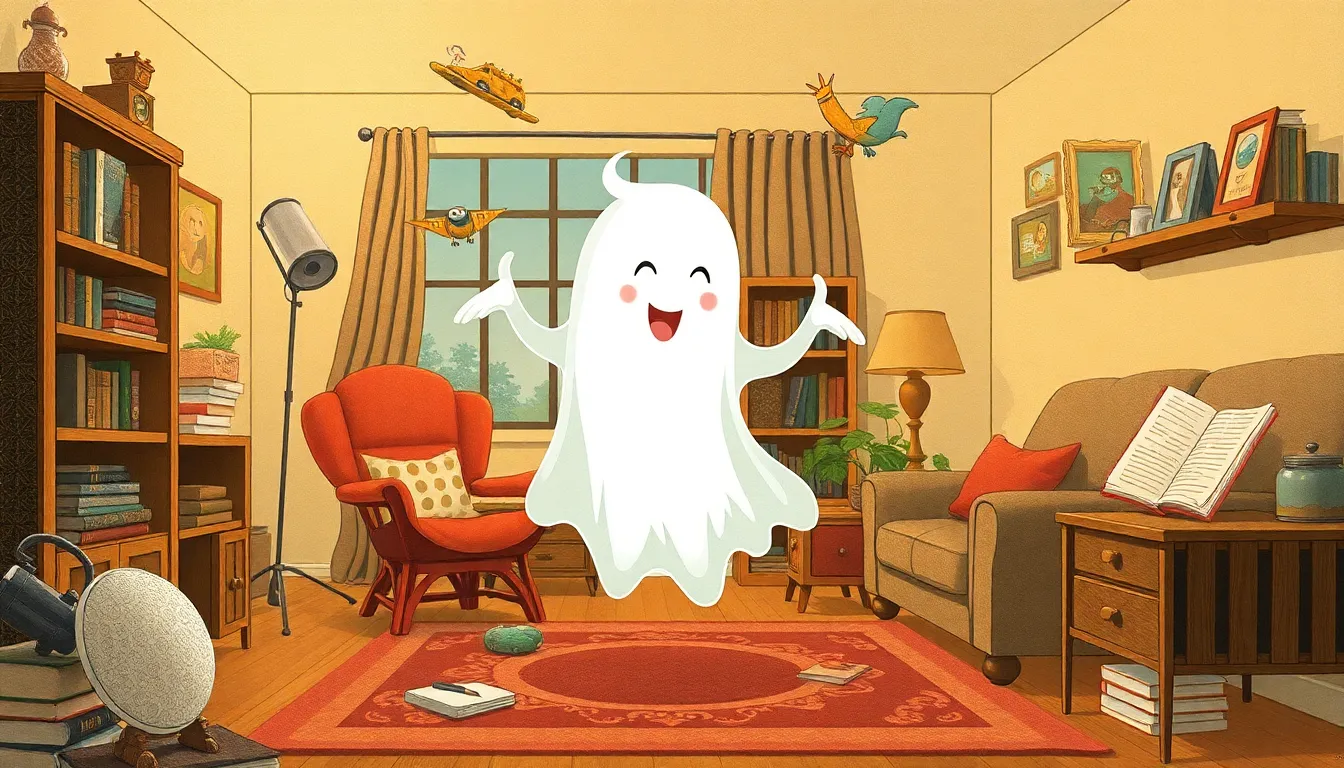
Gipoltergeists represent a unique twist on the traditional poltergeist phenomenon. Unlike typical spirits that instill fear, gipoltergeists derive joy from playfulness. These spirits often manipulate everyday objects, such as coffee cups and pens, leaving observers entertained rather than terrified.
Acts of humor characterize their interactions with the living. For instance, witnesses might find their belongings rearranged or hidden in unexpected locations. These actions generate curiosity, as people often speculate about the intent behind such antics. Laughter can fill the space as individuals encounter a mischievous gipoltergeist in their midst.
Although some may find the concept whimsical, the origins of gipoltergeists are still debated. Some believe they emerge from a playful energy associated with certain locations or individuals. Others assert that they represent an underlying need for communication from the spirit realm, albeit in a lighthearted manner.
Research into these spirits remains limited, but anecdotal accounts highlight the engaging nature of their behavior. Many claim to feel a sense of camaraderie with a gipoltergeist as it interacts with them. This fosters an environment where fear dissipates, replaced by intrigue and amusement.
The fascination with gipoltergeists continues to grow, leading to increased interest in paranormal investigations. Enthusiasts actively seek out locations known for gipoltergeist activity. They hope to document unique occurrences that showcase the playful essence of these spirits. Overall, gipoltergeists enrich the narrative surrounding paranormal phenomena with their delightful and surprising actions.
Origin and History
The origin of gipoltergeists blends myth and anecdote, creating an intriguing topic of discussion among paranormal enthusiasts.
Historical Accounts
Historical accounts reflect varied interpretations of gipoltergeists, emerging predominantly in the late 20th century. Witnesses often describe encounters featuring lighthearted activity, with objects rearranged playfully in their homes. In certain folklore, these spirits also appear in tales where their mischief leads to moments of joy and laughter among families. Some notable incidents include descriptions of playful spirits engaged in pranks, documented by local researchers and paranormal investigators. Each account adds nuance, showing gipoltergeists as friendly spirits rather than sources of distress.
Cultural Significance
Cultural significance surrounds gipoltergeists as symbols of joy and curiosity in various societies. They contrast starkly with traditional poltergeists, fostering a lighter narrative in ghost stories. In many cultures, these spirits embody the idea of a whimsical afterlife, serving as reminders of playful energy after death. Interest in gipoltergeists continues to grow, prompting artistic representations and discussions in literature, film, and gatherings centered on paranormal phenomena. Their portrayal in modern media contributes to an evolving understanding of spirits in folklore, enriching cultural narratives surrounding the afterlife.
Characteristics of Gipoltergeist
Gipoltergeists display distinct features that differentiate them from traditional poltergeists. These characteristics include playful behavior and interactions with their surroundings.
Common Traits
Gipoltergeists are known for their lighthearted actions. They often rearrange everyday items, leading to confusion and laughter among witnesses. Individuals frequently report experiences that include harmless pranks, like hiding favorite coffee cups or placing items in unusual locations. This playful nature creates a sense of wonder rather than fear. Emotional responses vary, but many describe feelings of joy and curiosity while encountering these spirits. An air of positivity surrounds gipoltergeists, making them memorable figures in the paranormal world.
Manifestations
Gipoltergeists exhibit unique manifestations that capture attention. Common occurrences involve moving objects in playful ways, such as sliding chairs or jiggling door handles. Witnesses often observe lights flickering not to instill fear but to signal their presence. Engaging interactions also include playful sounds, like gentle tapping or laughter, adding to their whimsical charm. These manifestations encourage families to embrace the experience rather than avoid it. Curious minds frequently investigate these phenomena, seeking to understand the joyful energy these spirits radiate.
Gipoltergeist vs. Traditional Poltergeist
Gipoltergeists differ significantly from traditional poltergeists. While traditional poltergeists typically instill fear through disturbances like loud noises and physical chaos, gipoltergeists focus on playful activities. Evidence shows that gipoltergeists engage in harmless pranks, such as rearranging household items or hiding belongings. Those who encounter a gipoltergeist often experience puzzlement, yet laughter replaces any fear associated with traditional spirits.
Interactions with traditional poltergeists commonly lead to unsettling experiences. Reports highlight violent outbursts, flying objects, and fear-inducing encounters. In contrast, witnesses of gipoltergeist activities are more likely to share humorous anecdotes about their playful antics. The contrast lies in the manner of engagement; traditional spirits create tension while gipoltergeists promote a sense of curiosity and joy.
Cultural perceptions also reflect these differences. Traditional poltergeists often evoke feelings of dread and caution, perpetuating a narrative of fear within folklore. Gipoltergeists, however, have emerged as symbols of lightheartedness, enhancing ghost stories with a refreshing take on the paranormal. This distinction shapes how communities discuss and engage with spirit phenomena.
Anecdotal evidence also supports these variations. Historical narratives reveal an increase in reports of gipoltergeist encounters starting in the late 20th century. Individuals recount amusing occurrences that linger in memory, contrasting sharply with the memories of fear generated by traditional poltergeist experiences. As interest in the paranormal grows, the playful nature of gipoltergeists invites ongoing curiosity and engagement, encouraging investigators to document these delightful manifestations.
Theories and Explanations
Theories surrounding gipoltergeists reflect their unique role in the paranormal landscape. Understanding these playful spirits involves examining both psychological perspectives and paranormal theories.
Psychological Perspectives
Psychologists often associate gipoltergeists with human emotions and experiences. Manifestations of these spirits may arise in response to shifts in energy or stress within a household. Children and adolescents commonly report encounters, suggesting a link between youthful imagination and playful activity. Emotional states can influence the characteristics of gipoltergeist encounters, where joy and curiosity replace fear. Witnesses frequently highlight feelings of warmth and happiness, contributing to the positive narratives surrounding these entities. Research indicates shifts in family dynamics might provoke these lighthearted interactions, encouraging a communal bond through shared experiences.
Paranormal Theories
Paranormal theories posit that gipoltergeists represent a more conscious form of spirit activity. Spirits may use humor and playfulness to communicate and engage with the living. They often act as a bridge between realms, fostering an environment of curiosity rather than fear. Many investigators assert that gipoltergeists reflect localized energies, indicating that specific locations may attract these playful entities. Studies show an increase in documented encounters, highlighting these spirits’ unexpected and charming behaviors. Traditional beliefs about spirits evolve alongside these modern interpretations, leading to a richer understanding of the paranormal.
The gipoltergeist adds a refreshing twist to the world of paranormal phenomena. By shifting the focus from fear to fun it invites curiosity and laughter into the realm of spirits. This playful entity encourages people to rethink their perceptions of the supernatural and embrace the joy that can come from unexpected interactions.
As interest in gipoltergeists grows so does the fascination with their charming antics. Their ability to foster connections among families and communities highlights a unique aspect of spirit encounters. With ongoing exploration and documentation of these delightful manifestations the narrative surrounding the paranormal continues to evolve, enriching both folklore and personal experiences alike.