Imagine biting into a juicy, sun-ripened strawberry and thinking, “What if I could grow my own?” It sounds like a sweet dream, but can you really turn that delicious fruit into a thriving strawberry plant? The answer might surprise you.
Understanding Strawberry Plants
Strawberry plants belong to the genus Fragaria and are known for producing delicious fruits. These plants are relatively easy to cultivate at home, making them a popular choice among gardeners.
Types of Strawberry Plants
Three main types of strawberry plants exist: June-bearing, everbearing, and day-neutral. June-bearing strawberries produce large harvests once a year, typically in late spring or early summer. Everbearing varieties yield fruit throughout the growing season, often producing two to three harvests. Day-neutral strawberries produce fruit continuously regardless of day length, offering a steady supply from spring until fall. Each type has unique growth habits and harvest timelines, providing options for various gardening preferences.
Life Cycle of Strawberry Plants
The life cycle of a strawberry plant involves several stages. It begins with seed germination, followed by the emergence of true leaves. Young plants establish their root systems during the first growing season. Afterward, they enter a vegetative phase, where they generate runners and foliage. Flowering occurs in the following spring, leading to fruit development. Harvesting happens when the strawberries reach full ripeness. Each plant can produce fruit for up to five years, though maintenance and care influence longevity. Proper pruning and fertilization support healthy growth throughout the plant’s life cycle.
Growing Strawberries from Seeds
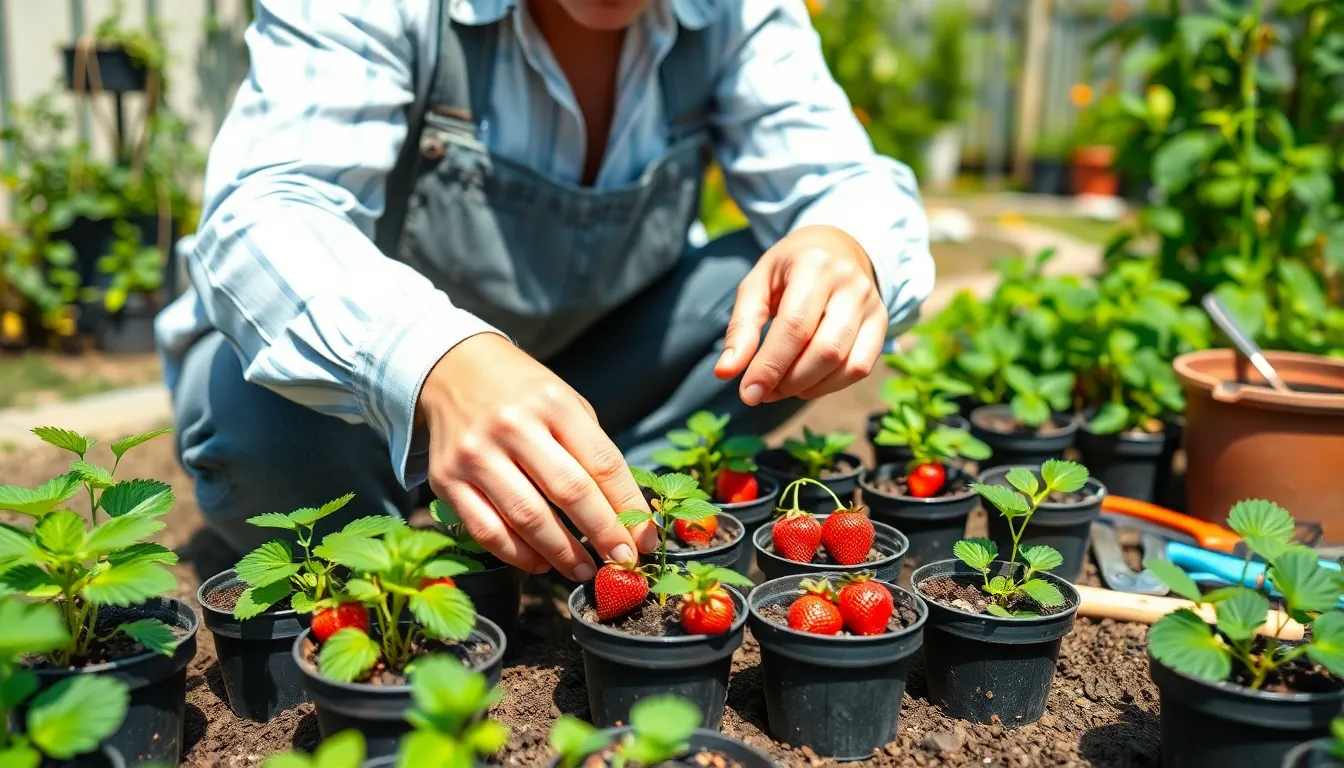
Cultivating strawberries from seeds offers an engaging gardening experience. Growing from seeds promotes genetic diversity among plants.
Advantages of Growing from Seeds
Growing from seeds allows for a wider selection of strawberry varieties. Many seed options exist that aren’t available in stores. This method promotes adaptability to local climates. Seed propagation leads to strong seedlings, as they adapt directly to their growing conditions. Additionally, gardeners gain satisfaction from nurturing plants from the very beginning. Lower initial costs accompany purchasing seeds compared to established plants. Eco-friendliness plays a crucial role, as growing from seeds reduces reliance on plastic pots and packaging.
How to Start Strawberry Seeds
Starting strawberry seeds requires preparation. Begin by acquiring high-quality seeds suited for the intended climate. Use seed-starting trays or small pots filled with a light, well-draining soil mix. Water the soil thoroughly before planting seeds about one-quarter inch deep. Maintain warmth and humidity by covering trays with plastic wrap or a humidity dome. Germination typically takes 7 to 21 days under optimal conditions. Once seedlings develop a pair of true leaves, it’s time to thin them, leaving the strongest ones. Gradually harden off seedlings by exposing them to outdoor conditions over one to two weeks.
Growing Strawberries from Cuttings
Growing strawberries from cuttings offers an efficient way to propagate new plants without starting from seeds. This method allows gardeners to leverage the established characteristics of mature plants.
Benefits of Using Cuttings
Using cuttings presents several advantages. First, homeowners can produce young plants that mirror the parent. These cuttings often root faster compared to seeds. Also, taking cuttings simplifies the gardening process; it reduces the time required for germination. Another key benefit involves minimal costs since gardeners can use existing plants instead of buying new ones. This propagation method encourages genetic stability, ensuring that the delicious taste and prolific yield of the original plant persist.
Step-by-Step Guide for Cuttings
Starting the process requires selecting healthy parent plants. First, choose a vigorous strawberry plant known for high production. Next, cut healthy runners or stolons from the parent, ensuring they include at least one node. Remove excess leaves while keeping a few leaves on each cutting. Plant cuttings in a pot filled with well-draining soil. Water the cuttings gently to avoid displacing them. Cover the pots with plastic bags or a humidity dome to maintain moisture levels. After a few weeks, roots should develop, indicating readiness for transplanting into the garden or larger containers.
Factors for Successful Growth
Successful strawberry growth hinges on a few key factors, including soil, sunlight, and water requirements.
Soil Requirements
Strawberries thrive in well-draining soil that is rich in organic matter. Gardeners should aim for a pH level between 5.5 and 6.8, which promotes optimal nutrient absorption. Incorporating compost enhances soil structure and fertility. Sandy loam or loamy soil types work best, providing adequate drainage while retaining moisture. Heavy clay soils may lead to root rot, so amending them with organic materials can help. Regular soil testing helps gardeners adjust nutrient levels as necessary, ensuring plants receive proper care throughout their growth cycle.
Sunlight and Water Needs
Strawberries require full sun exposure, ideally receiving 6 to 8 hours daily for robust fruit production. Insufficient sunlight may result in weak plants with limited yields. Watering must be consistent, with about 1 to 1.5 inches of water per week, depending on climate conditions. Overhead irrigation can cause fungal diseases, so drip irrigation systems are often recommended. Soil moisture should be monitored to prevent either drought stress or waterlogged roots. Mulching helps preserve soil moisture and regulate temperature, thereby contributing to healthy plant development.
Common Challenges
Growing strawberries can come with several challenges. Addressing these can significantly impact plant health and fruit yield.
Pests and Diseases
Maintaining strawberries requires vigilance against pests and diseases. Common pests include aphids, spider mites, and slugs, which can damage leaves and fruits. Fungal diseases such as powdery mildew and botrytis blight threaten plants in humid conditions. Utilizing organic pesticides and maintaining good airflow around the plants can help manage these issues. Regular monitoring for signs of pests ensures early intervention, reducing the impact on crop yield.
Environmental Conditions
Strawberries thrive in well-suited environmental conditions. Ideally, they require full sun for at least 6 to 8 hours daily. Inadequate sunlight can lead to weak plants and lower fruit production. Soil pH levels should remain between 5.5 and 6.8 for optimal growth. Watering them consistently, about 1 to 1.5 inches weekly, is crucial. Temperature fluctuations may also affect plant development, with strawberries preferring cool temperatures during flowering to avoid stress and ensure a healthy yield.
Growing strawberries from seeds or cuttings offers a rewarding experience for gardeners. The journey from seed to fruit is not only satisfying but also allows for the cultivation of unique varieties. By understanding the specific needs of strawberry plants and implementing proper care techniques, anyone can enjoy a bountiful harvest.
Whether choosing to start from seeds for genetic diversity or using cuttings for efficiency, the key lies in providing the right conditions. With attention to soil quality sunlight and watering practices strawberry plants can thrive for years. This makes growing strawberries an accessible and enjoyable endeavor for both novice and experienced gardeners alike.